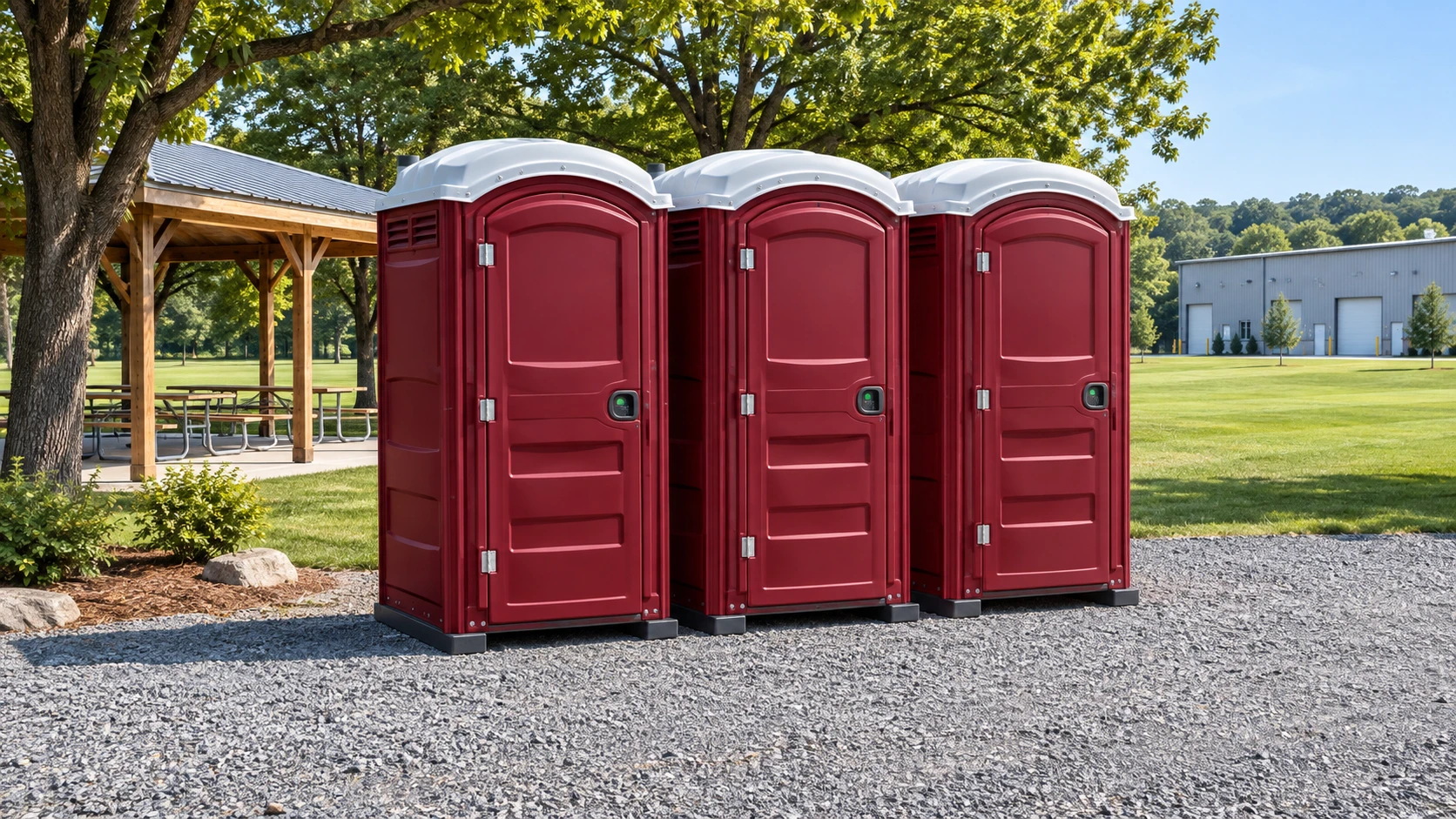
Compare the format.
Review the site setup.
Define the access needs in the request
Explain the people attending or working at the property and the access requirements that need consideration. Ask which accessible equipment can be offered for your address and dates. Review model-specific entry arrangements, dimensions, and internal features. The equipment category alone does not establish whether every installation suits a particular site, occasion, or user, so include the project or venue representative in the review.
Consider the entire user journey
Trace the route from occupied areas, parking, seating, or entrances to the restroom. Describe gradients, steps, loose material, narrow gates, and transitions between surfaces. Explain any path shared with vehicles or work activity. Review these conditions while the wider layout can still be adjusted, before temporary fencing, stored equipment, or supplier positions make the available approach difficult to change.
Keep surrounding space in the layout
Confirm the footprint, door movement, entry area, and circulation needed by the proposed model. Reserve that space and keep it available after delivery. Let setup teams and other suppliers know which routes remain clear. A parked vehicle, table, cable, or material pile can affect an approach that appeared workable during the first site visit.
Plan washing and other restroom choices together
Discuss the position of washing facilities and the path between them and the accessible restroom area. If a trailer is also under consideration, examine its specific access features separately. Include permanent facilities that stay open to users. Compare the complete setup using confirmed equipment information and the requirements of the intended use rather than relying only on category descriptions.
Monitor access after the equipment arrives
Work phases, vendor activity, and changing ground conditions may affect the original route. Identify a contact who can notice obstructions and coordinate proposed changes with the rental team. Ask before moving equipment. Longer rentals need attention to both user access and the service entrance throughout the period, not simply during the first delivery and setup.
Confirm specifications and responsibilities
Provide the address, dates, expected use, approved placement, and vehicle-entry instructions. Ask what model information is available and which details the venue or project contact should confirm. Review delivery, servicing, collection, and total pricing. Raise placement concerns while alternative equipment or positions can still be discussed, and confirm the final arrangement before the site becomes occupied.